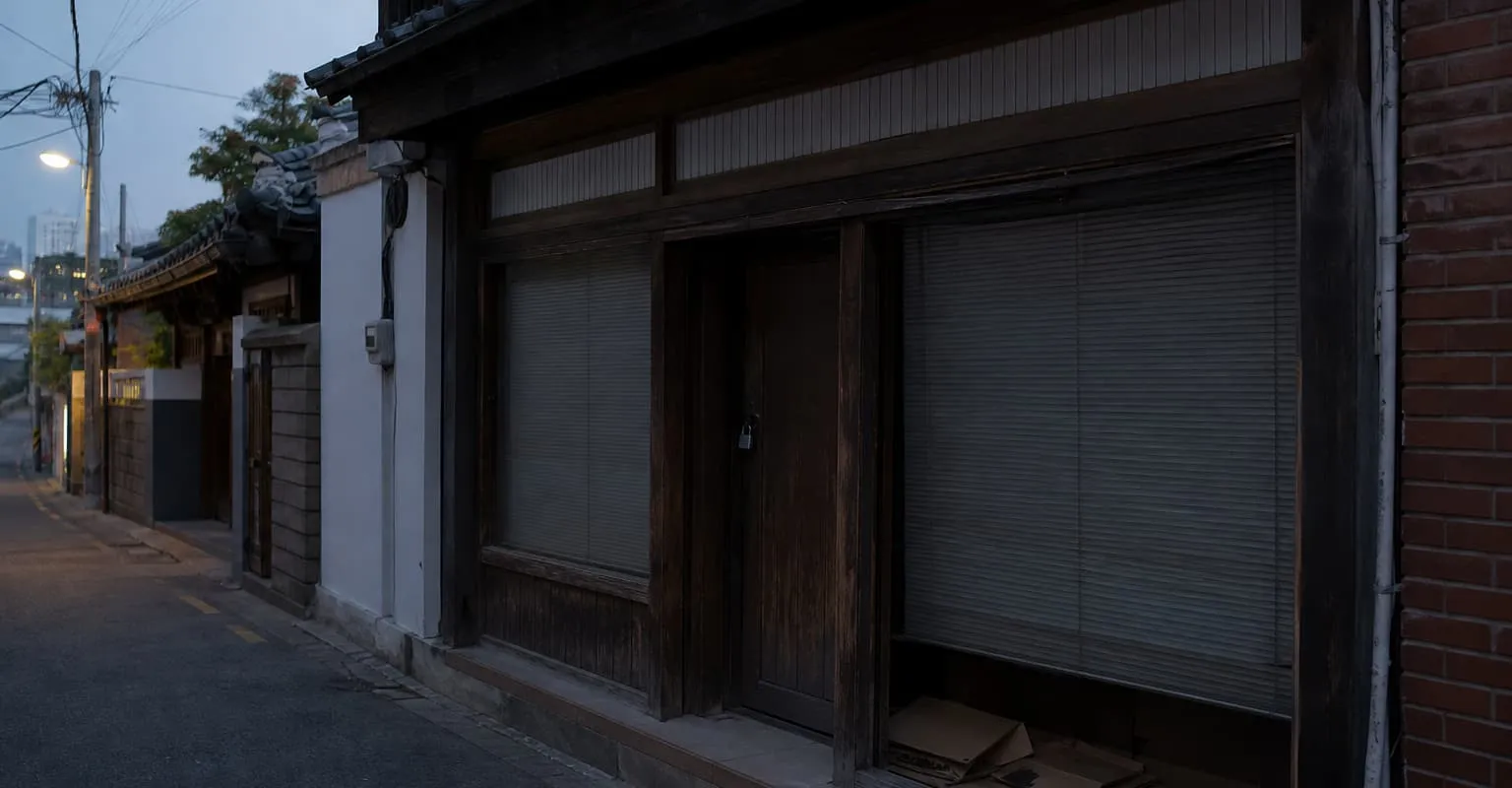
Korea culture brief: Han Kang's Onul Books closes under Seochon rents
Nobel laureate Han Kang's Seoul bookstore shut after a building sale — what the Seochon exit says about culture tourism and lease reality.
Source: The Korea Times
What happened
According to The Korea Times (carrying a Hankook Ilbo analysis), Onul Books — the small independent bookstore run by Nobel literature laureate Han Kang in Seoul’s Seochon neighborhood — closed this month after a change in building ownership led tenants to vacate. The analysis says the closure was not what Han wanted.
The shop opened in Gangnam in 2018, moved in 2023 to a modest 33-square-meter Seochon space under cost pressure, and has now gone dark for good. After Han’s 2024 Nobel win, the store briefly closed amid frenzy and then reopened; this time the lights stayed off. During the final week, patrons gathered daily to read together one last time.
The breakdown
Times/Hankook Ilbo reporting ties the exit to Seochon’s real-estate math after the Nobel spike. The building’s new owner is described as a corporate buyer backed by a real-estate investment firm, with a purchase price of 3.5 billion won (about US$2.5 million). Brokerage promotional copy praised the price band and Seochon’s retail upside — without naming Han Kang.
The piece notes that under Korea’s Commercial Building Lease Protection Act, Han could theoretically have sought renewal rights into 2033, but quotes a broker saying determined landlords have ways to make tenants leave. It also states that the building was private property and reports no explicit illegality in the process. Its argument is that cultural prestige helped make Seochon more valuable while leaving the bookstore exposed to that market.
Han is quoted from an earlier Weekly Kyunghyang interview saying she was moved when people living within several kilometers — “about seven bus stops away” — felt their lives flowing with the bookstore simply because it existed. That community layer is what closed with the shutters.
Why it matters outside Korea
Overseas readers often treat Nobel-adjacent Seoul spots as permanent pilgrimage pins. This story is the correction: Korea’s cultural landmarks can be lease-fragile even when the name on the door is globally famous. If your Korea trip was built around “visit Han Kang’s bookstore,” the itinerary object is gone — and the lesson travels to every hyped alley in Seochon, Ikseon, and beyond.
It also matters for anyone romanticizing “living the literary Seoul life” on a foreign salary. Rising retail asset prices after cultural fame are a feature of the market, not a glitch that famous names automatically defeat.
What travelers and expats should watch
- Remove Onul Books from live maps: do not send friends to a closed door; check current hours before any Seochon literary walk.
- Treat hype streets as volatile: Seochon can reprice after fame; assume cafe and shop turnover, not permanence.
- Lease literacy for small-business dreams: renewal rights under the Commercial Building Lease Protection Act do not remove landlord-change risk; get case-specific legal advice before signing or disputing a lease.
- Support living spaces, not only plaques: if you care about independent book culture, buy from shops that still have open leases, not only from closed-story nostalgia.
Context
This is an opinion/analysis piece translated from Hankook Ilbo and edited by The Korea Times — stronger on civic argument than on court filings. It does not establish unlawful eviction. Korelay uses it for the confirmed closure and the practical map update, while keeping its gentrification argument attributed.
Korelay’s framing: read the closure as culture losing a lease fight in Seochon, not as a metaphor essay only. Update the map and your assumptions about how durable “famous Seoul spots” are.
Korelay take
This is an opinion/analysis piece translated from Hankook Ilbo and edited by The Korea Times — stronger on civic argument than on court filings. It does not establish unlawful eviction. Korelay uses it for the confirmed closure and the practical map update, while keeping its gentrification argument attributed.
Korelay’s framing: read the closure as culture losing a lease fight in Seochon, not as a metaphor essay only. Update the map and your assumptions about how durable “famous Seoul spots” are.
Editor note: Desk reporting supplies the timeline; Korelay adds the overseas behavior layer (what to change, what not to assume, what to re-check). If you only need the wire facts, open the primary link in Source.
Source
The Korea Times: When culture loses to real estate: What closure of Han Kang’s bookstore says about Korea — analysis/opinion (Hankook Ilbo via Times); paraphrased for briefing. Not a court filing.