Korea culture brief: Jung Hae-in's Sticky Love sells yeot as romance
Netflix's Our Sticky Love, starring Jung Hae-in, leans on yeot candy slang — what global viewers should catch before Friday's drop.
Source: The Korea Herald
What happened
According to The Korea Herald, Netflix Korea’s romantic comedy Our Sticky Love, starring Jung Hae-in and Ahn Ha-young (also styled Ha Young), held a Seoul press conference Wednesday ahead of a global Friday release. All 12 episodes drop at once. The Korean title, Ireon Yeot-gateun Sarang, tracks as “this love is like yeot.” No Cut News places the presser at Hotel Naru Seoul MGallery in Mapo and confirms the Aug. 7 Netflix open.
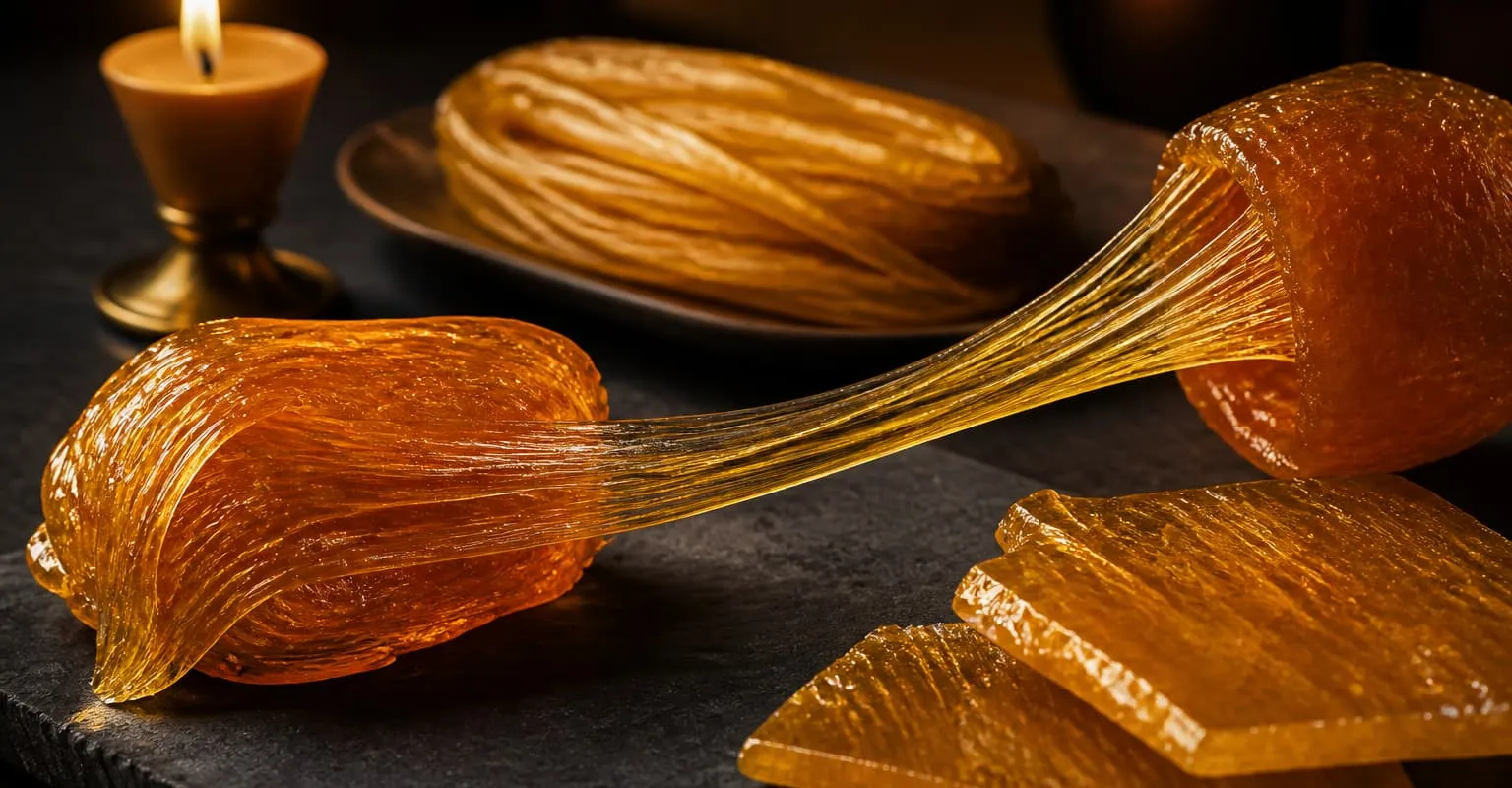
Herald stresses that yeot (엿) is sticky traditional candy and slang that can land as roughly “messed up” or worse. Jung said the title first felt bold, then sweet-and-sticky. Director Kim Jang-han called yeot the metaphor for a bond that sticks — and, in No Cut’s tape, said the swear-adjacent idiom was the hook.
The breakdown
Ahn plays amnesiac prosecutor Ko Eun-sae; Jung plays boxing coach Jang Tae-ha, who insists he is her boyfriend. Yonhap English adds that the village setting is itself named Yeot. Jung, back on Netflix after D.P., said the script moves from rom-com into melodrama, thriller, noir, and action.
Yonhap and No Cut put Squid Game alum Heo Seong-tae as crime boss Baek Sang-gil; Heo joked the role is more evil than Jang Deok-su. Director Kim (Do You Like Brahms?, My Demon) said crime beats show a romantic man willing to risk his life without letting the series get too heavy. The Korea Times’ parallel presser confirms the same yeot export frame.
Why it matters outside Korea
Global Netflix queues will meet English “Sticky Love” while the Korean line carries candy plus bite. If you watch Korean romance for language as well as plot, this is a literacy drop: yeot is how the show wants you to feel the couple — adhesive, sweet, and a little cursed. Expat viewers and Korean-learners who only catch the English title will miss why Korean social clips keep laughing at the name. Drama-tourism marketers should treat the hook as linguistic, not a generic K-romance season note.
What travelers and expats should watch
- Before Friday: learn yeot as food and slang so the Korean title is not random candy placement.
- Do not paste the raw slang into polite settings — English “sticky” is safer small talk.
- Expect genre whiplash — romance-plus-noir-plus-action; plan a binge block.
- If you chase locations: wait for official lists; a fictional Yeot village is not an itinerary.
Context
Read this as an export-linguistics brief, not a review score. Korelay’s frame: Korea’s biggest streaming pipeline is shipping a rom-com whose joke and thesis both sit in one untranslatable snack word — and the English title politely sanded the edge. Wire blurbs that only say “Jung Hae-in returns to Netflix” skip the behavior update: learn yeot before you recommend the show, or you will mis-sell why Koreans are reacting to the name. One non-wire takeaway: domestic idiom first, softened English wrapper second, Friday global dump third.
Korelay take
Read this as an export-linguistics brief, not a review score. Korelay’s frame: Korea’s biggest streaming pipeline is shipping a rom-com whose joke and thesis both sit in one untranslatable snack word — and the English title politely sanded the edge. Wire blurbs that only say “Jung Hae-in returns to Netflix” skip the behavior update: learn yeot before you recommend the show, or you will mis-sell why Koreans are reacting to the name. One non-wire takeaway: domestic idiom first, softened English wrapper second, Friday global dump third.
Editor note: Desk reporting supplies the timeline; Korelay adds the overseas behavior layer (what to change, what not to assume, what to re-check). If you only need the wire facts, open the primary link in Source.
Source
The Korea Herald — primary. Secondary: The Korea Times, Yonhap, No Cut News (Korean). Not a review.