Korea food-travel brief: heat wave pushes grocery prices into heatflation territory
July's consumer price index rose 2.8% as extreme heat above 40 degrees Celsius spiked spinach, cucumber, and zucchini prices — what it means for grocery runs and eating out in Korea this month.
Source: The Korea Times
What happened
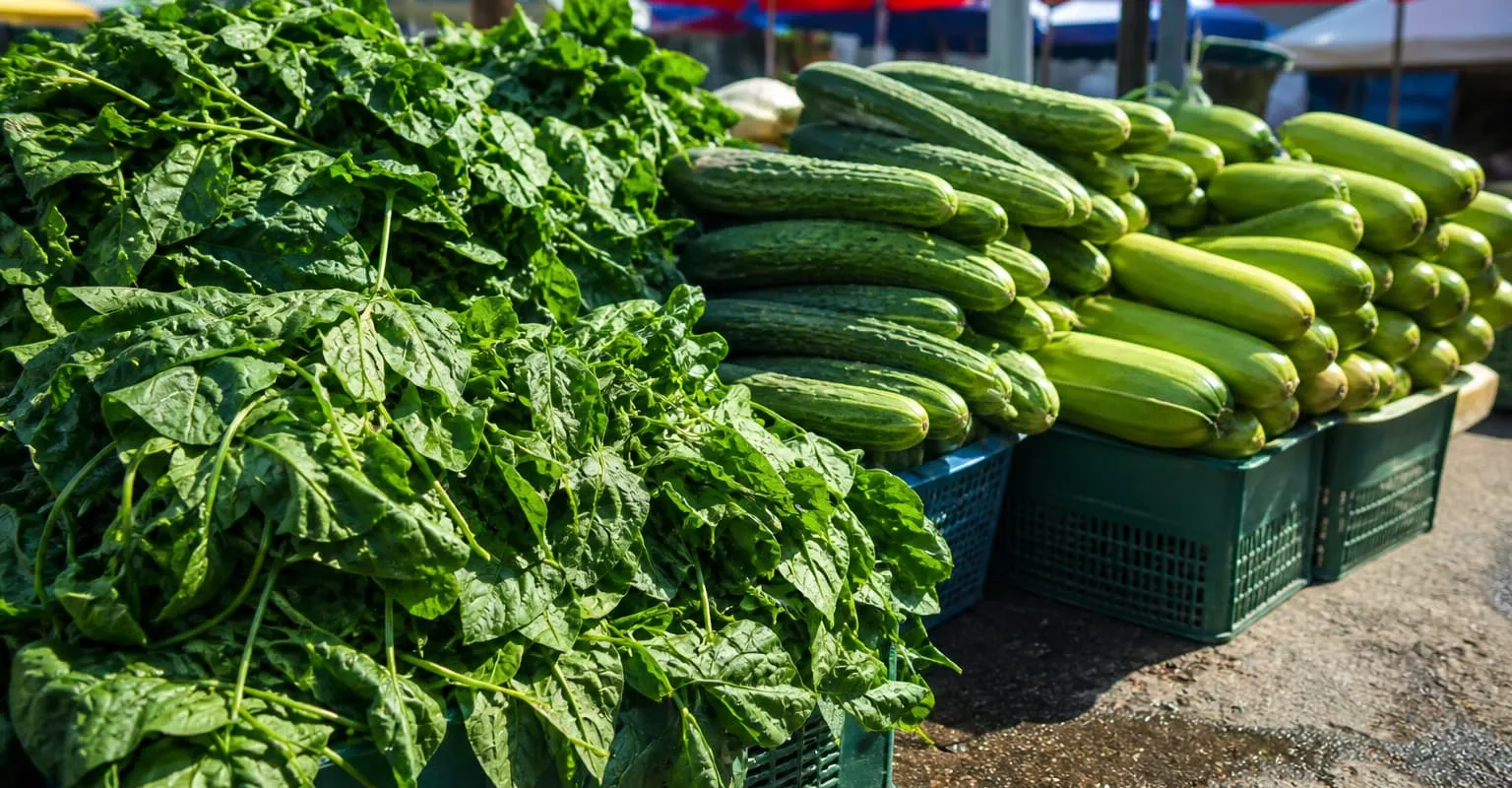
Statistics Korea’s July consumer price index rose 2.8% year-on-year, and The Korea Times reports that an ongoing heat wave — with temperatures topping 40 degrees Celsius (about 104°F) in some areas, including parts of Seoul — is now a direct driver of the increase. Fresh vegetable prices moved sharply in a single month: spinach hit 1,978 won per 100 grams, up 152.3% month-on-month; a bundle of 10 cucumbers rose 54.8%; and zucchini climbed to 1,504 won, up 46.6%. Heat stress has also hit livestock and aquaculture: as of Aug. 7, the Times cites more than 901,000 livestock deaths and more than 864,000 farmed fish deaths from high water temperatures — a running seasonal tally in the piece, not a single-day count.
The breakdown
The produce spikes are the sharpest numbers, but they are not the whole inflation picture. Core inflation, which strips out volatile food and energy prices, still ticked up from 2.5% in June to 2.6% in July — a smaller move, but evidence that price pressure is not confined to a handful of heat-damaged vegetables. Officials cited in the report flag a real risk that headline CPI could climb back into the 3% range in August if the heat wave persists and drags on supply through the state produce distributor aT Corp, which is already reporting disruption. The Korea Times frames the pattern as heat-driven food-price pressure layered on top of ordinary cost pressure — often labeled “heatflation” in coverage of this summer’s produce shock — rather than as proof of a full monetary-inflation breakout.
Why it matters outside Korea
Anyone doing regular grocery runs in Korea, foreign residents cooking at home, and restaurant operators sourcing local vegetables are all exposed to the same narrow set of price spikes, since spinach, cucumber, and zucchini are staple ingredients in banchan, salads, and everyday Korean cooking. The livestock and farmed-fish losses point to a possible secondary effect on meat and seafood pricing later in the summer if the heat continues, which matters to importers, restaurant supply chains, and anyone budgeting a longer stay in Korea through peak summer.
What travelers and expats should watch
- Grocery shopping: expect spinach, cucumber, and zucchini to stay elevated through August; frozen or imported substitutes are a reasonable fallback if fresh prices spike further before the heat breaks.
- Eating out: budget a little more for vegetable-forward dishes — cold noodle garnishes, salads, and banchan-heavy set meals are the most exposed items on a typical menu right now.
- Meat and seafood sourcing: with livestock and farmed-fish losses already logged, watch for localized shortages or price bumps on specific cuts or species later in the quarter, not just on vegetables.
- General cost-of-living tracking: if headline CPI does move back toward the 3% range in August as officials warned, expect it to show up in broader Korean consumer-price coverage — treat that as a signal to re-check your budget, not as personalized financial advice.
Context
Read this as a heat-driven supply shock concentrated in a specific set of vegetables and livestock, not a full inflation crisis. Core inflation moved only a tenth of a percentage point, from 2.5% to 2.6%, while the sharpest jumps — spinach up over 150% in a single month — are tied directly to heat damage on the fields that grow them. This is a grocery-bill and short-term cost-of-living watch, not investment or personalized financial advice.
Source
The Korea Times: Korea’s inflation woes grow as heat wave drives up food prices — facts paraphrased for briefing; read the original for full detail.