Korea food-travel brief: Nine Koreans still missing in Nepal as helicopter search stalls on host-nation rules
Women News reports that Nepal military helicopters searched for nine lost-contact Korean workers on Aug. 28 but found no one, while six rented civilian choppers stayed grounded pending army approval and weather checks.
Source: Women News
What happened
On Aug. 28 local time, two helicopters — including Nepalese military assets — searched for nine South Korean nationals still out of contact after catastrophic floods in Nepal, Women News reported. Sorties covered areas near coordinates Seoul’s rapid-response team had shared with local authorities, but no missing persons were found.
The same day, Im Sang-woo, head of the government joint rapid-response team, briefed reporters at a Kathmandu hotel. He said Seoul would concentrate every effort on accelerating search operations for the nine on Aug. 29. He also confirmed that two Koreans isolated at a powerhouse were rescued, meaning all ten Koreans trapped in the isolated area have now returned safely.
The breakdown
Three threads are easy to merge but should stay separate.
The nine still missing: Six Doosan Enerbility employees and three from Korea South-East Power (KOEN). Nepal’s military searched near last estimated positions — maps and coordinate charts Seoul handed over — without locating them.
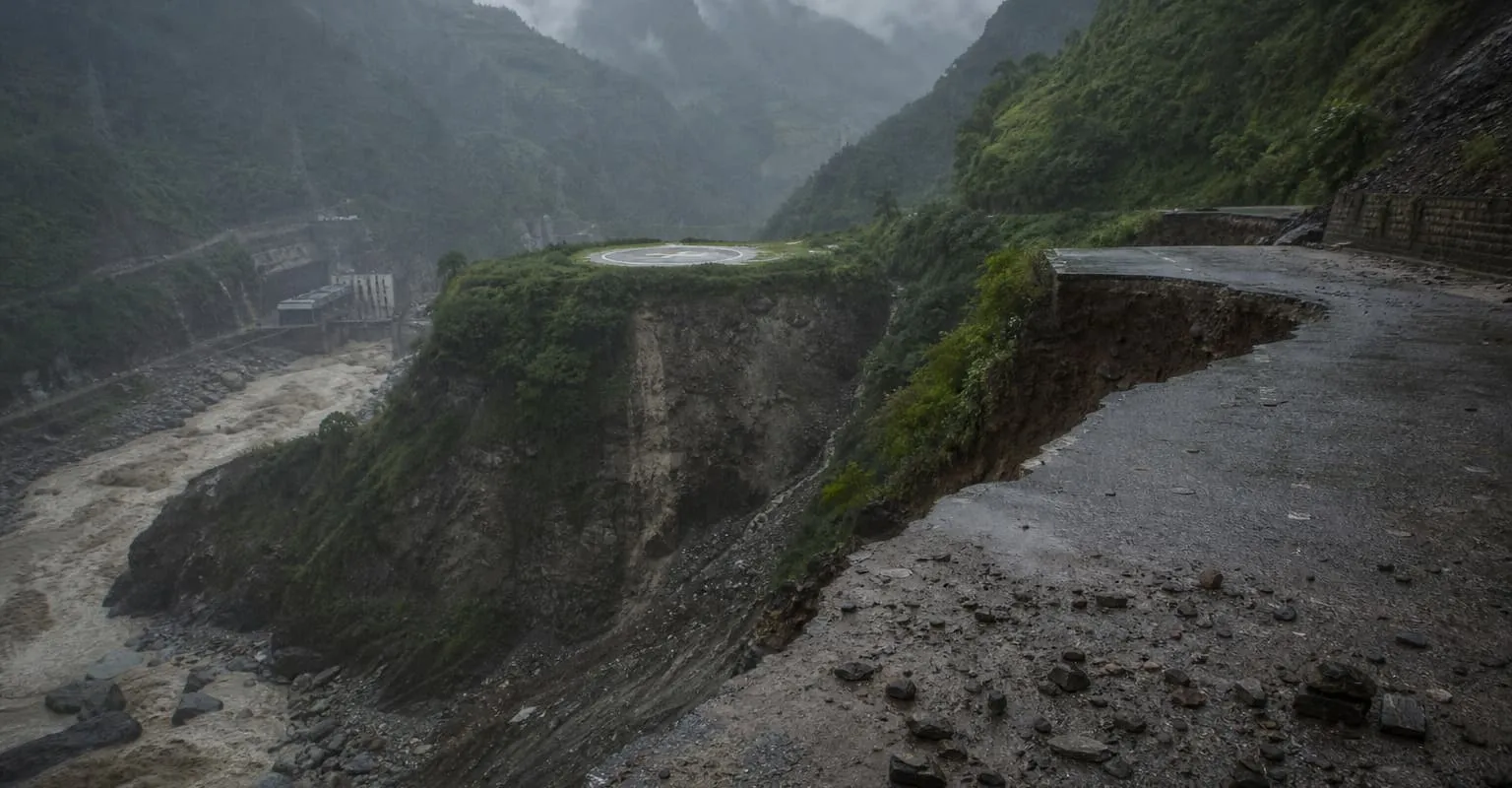
Helicopters ready but not flying: Seoul’s team rented civilian helicopters but could not launch them. The government, Doosan, and KOEN secured six helicopters in Kathmandu, yet Nepalese military authorities had not approved operations. A Ministry of Foreign Affairs (MOFA) official cited unstable weather, additional damage risk, and local military guidance. The Nepal army is reportedly cautious about civilian helicopter deployment given volatile weather and secondary flooding fears. Nearby roads were destroyed, leaving helicopters as the only access to the flood site.
The ten who are safe but not yet home: Rescued workers in Kathmandu have no fixed repatriation schedule. MOFA said they need stabilization time before officials can judge whether they are well enough to fly.
Im met Nepalese military officials and other senior stakeholders; Kathmandu pledged to hear Seoul’s search-support requests and take appropriate measures.
Why it matters outside Korea
Nepal’s monsoon corridors draw trekkers, development contractors, and hydropower crews from Korea and elsewhere. When roads wash out and only rotor access remains, remote travelers inherit the same bottleneck as these energy workers: host-nation flight permission, not embassy goodwill alone, decides whether a missing-persons grid gets searched today or tomorrow.
For duty-of-care teams, employer-leased helicopters can sit in Kathmandu while military sorties carry the search — and still fail to close a case. Anyone planning remote infrastructure travel during monsoon season is watching whether secondary-flood risk keeps foreign aviation grounded.
What travelers and expats should watch
- Do not treat “ten rescued” as “all Koreans accounted for.” Nine remain out of contact while the earlier isolated ten are safe in Kathmandu. Check MOFA or embassy channels, not reposted totals.
- Build helicopter-and-road redundancy before remote postings. With no land access to the flood site, confirm employer helicopter contracts, satellite messaging, and embassy registration before rainy season — military approval can lag even when six aircraft are already leased.
- Expect repatriation timelines to stretch. MOFA flagged recovery time before flying; plan for days in Kathmandu, not automatic next-day departures.
- Watch weather-driven re-closures. Nepal’s caution on civilian flights ties to ongoing flood risk; trek and project schedules can freeze while sorties pause.
Context
Read this as a search mission constrained by host-nation aviation rules and terrain, not as proof that every Korean in Nepal is safe. Ten isolated workers returning is real progress; nine lost-contact cases and six grounded civilian helicopters show the gap between assets staged in Kathmandu and sorties actually flown. Korelay’s frame: remote travel in flood season means your exit plan is whoever controls rotor clearance that day.
Source
Women News: 네팔 한국인 9명 아직 연락 두절…”고립 10명 모두 무사 귀환” — Korean original; paraphrased for briefing; read the original for full detail.