Korea food-travel brief: Up to 101,000 North Korean workers abroad — Russia drone plants now confirmed
Seoul Shinmun reports an MSMT study finds North Korea has dispatched workers to Russia's Alabuga drone hub and 16 other countries, often via student visas — what that means for Russia travel, China expats, and sanctions risk.
Source: Seoul Shinmun · 정치
What happened
On Sept. 16, Seoul Shinmun reported that North Korea is widening overseas labor dispatch into Russian military-industrial sites — including drone plants tied to the Ukraine war — according to a new Multilateral Sanctions Monitoring Team (MSMT) study. The desk says this is the first government-level confirmation that North Korean workers have reached Russian drone factories, not only construction or logging jobs abroad.
The breakdown
The MSMT report, published Sept. 16 on “North Korea’s overseas worker dispatch,” estimates as many as 101,280 North Korean laborers in at least 17 countries, generating up to $800 million (roughly 1.7 trillion won) last year.
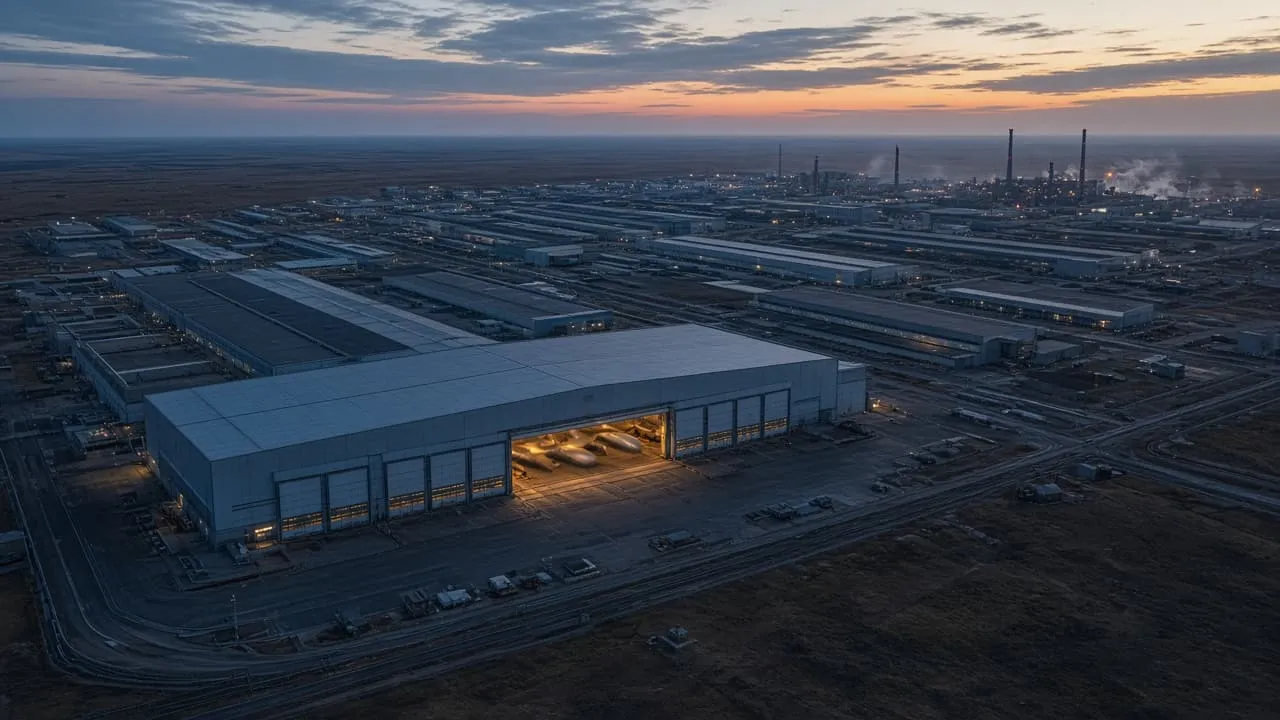
Seoul Shinmun cites MSMT findings that Pyongyang recently posted workers to the Alabuga special economic zone in Tatarstan — site of a Geran-2 drone factory — plus weapons plants, steel yards, and shipyards. Alabuga is described as a key Russian hub for mass-producing attack drones for the Ukraine war. The Geran-2 is Moscow’s variant of Iran’s Shahed-136 one-way attack drone.
Workers reportedly enter Russia on student visas, then shift into “field internship” factory labor — a pattern MSMT says helps evade sanctions. Last year, more than 98 percent of Russia’s North Korean visas were student visas.
Roughly 15,000 to 30,000 North Koreans may now be in Russia. China still hosts the largest pool — up to 70,000 workers, with about 10,000 newly dispatched between January 2024 and January 2025. MSMT expects Russian demand for North Korean construction labor to keep rising amid war-related manpower shortages.
Why it matters outside Korea
Western employers often treat North Korean overseas labor as a niche sanctions story. MSMT’s drone-factory confirmation ties that stream to dual-use industrial sites and visa categories ordinary travelers use, raising secondary-sanctions exposure for firms with Russia or China supply chains.
What travelers and expats should watch
- Russia study and internship visas: Enrolling in language programs, engineering exchanges, or factory “internships” in Tatarstan or similar industrial regions can trigger bank and employer due-diligence reviews — MSMT documents student visas as a cover channel for North Korean labor.
- China-based expats in manufacturing hubs: With up to 70,000 North Korean workers estimated in China, headquarters may tighten know-your-customer audits on border-adjacent factories — everyday Shanghai or Beijing tourism is unaffected, but payroll reviews may slow business trips.
- Multi-leg cargo routing: 17-country deployment reports mean layovers through Central Asia may draw extra customs scrutiny on commercial gear linked to Russian drone supply chains.
- Employer travel memos: No new entry bans are announced, but compliance teams may temporarily flag Russia and China business travel while refreshing sanctions training.
Context
Read this as sanctions-monitor reporting on how North Korea monetizes overseas labor — now including confirmed placements at Russian drone plants — not as “every Russia visitor shares a factory floor with North Korean workers.” Seoul Shinmun’s Sept. 16 article summarizes MSMT findings; it does not change Incheon departure rules, DMZ tour eligibility, or standard Schengen visa processing this week.
Source
Seoul Shinmun: “北해외노동자 최대 10만명… 러 드론공장에도 파견” — Korean original published Sept. 16, 2026; paraphrased for briefing; worker counts, visa shares, and site names attributed to MSMT as reported by the desk.