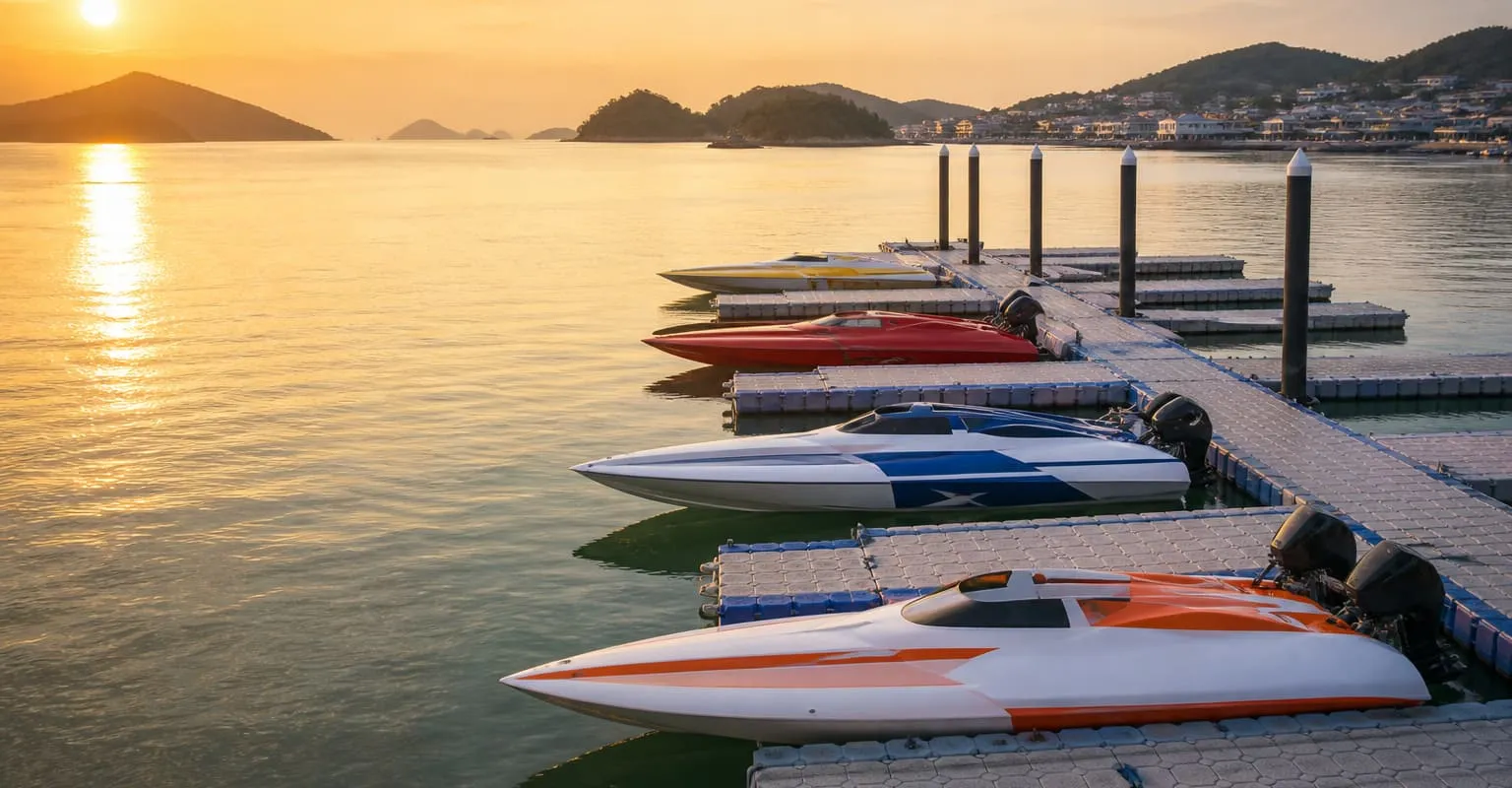
Korea food-travel brief: Yeosu marine boat-racing stadium pitch splits 'tourism killer content' from gambling fears
Women News reports a post–World Island Expo debate over Korea's first sea-based boat-racing track in Yeosu — what the proposal means for travelers watching South Jeolla's coast.
Source: Women News
What happened
According to Women News (Aug. 18), a proposal to build Korea’s first marine boat-racing stadium in Yeosu has reopened debate over whether the port city needs a post-expo tourism anchor — or is flirting with legalized gambling on a fragile coastline. Backers call boat racing “killer content”; critics warn of addiction, environmental damage, and trillion-won costs on rough seas.
The breakdown
On July 22, Democratic Party provincial councilor Seo Dae-hyun (Yeosu 2) used a five-minute free-speech slot at the South Jeolla–Gwangju Integrated Special Metropolitan City council to pitch a Yeosu marine racing facility. He said Yeosu’s tourism still revolves around sightseeing cruises and cable cars, and the city needs experience-led marine leisure plus room for international events.
National Assembly member Joo Cheol-hyun (Yeosu A) had floated a foreigner-access casino paired with a racing track during his party’s mayoral primary and raised racing again at a policy coordination meeting after the ninth local-government term began. Civil-society groups pushed back: boat racing is a regulated betting sport, and gambling addiction could outweigh visitor gains.
Kang Heung-soon of the Yeosu Environmental Movement Coalition told the desk Yeosu must weigh gambling risks, marine ecology, fishery conflicts, viability, and tourism branding before choosing sides. Citizens, not politicians, should decide after full verification.
Other hurdles include bad weather at sea and costs estimated in the trillions of won. Joo’s office said Yeosu draws roughly 13 million visitors a year yet still loses ground without a signature nationwide draw.
Korea has one boat-racing venue, inland at Misari in Hanam, Gyeonggi; proponents cite 24 marine tracks in Japan. Joo’s office called the plan a policy proposal, not a locked project, and promised public hearings, expert forums, fishermen briefings, and city-council coordination. It framed the idea as a potential public-interest project led by the Korea Sports Promotion Foundation, with betting caps, real-name entry, and revenue reinvestment into Yeosu tourism through bicycle and boat-racing law revisions.
Why it matters outside Korea
Yeosu sits on one of Korea’s most photographed southern coastlines — Odongdo, Hyangiram, expo-era harbor upgrades — and foreign travelers often treat it as a food-and-sea add-on from Gwangju or Jeju ferry routes. A permanent betting-adjacent stadium would shift that brand from slow harbor tourism toward regulated sports gambling, a model Japan has normalized but Korea keeps tightly fenced. For anyone comparing East Asian port-city strategies, the fight tests whether post-expo cities chase high-yield niche sports or protect fishing villages and eco-tourism reputations.
What travelers and expats should watch
- Expo hangover planning, not opening day: Women News places the pitch at the proposal and public-debate stage. Yeosu trips for 2026–2027 still run on existing islands, night markets, and cable-car lines.
- Casino-plus-racing packaging: Joo’s earlier foreigner casino pairing could resurface in English coverage even if only racing is active this week. Check whether any future zone sits near Yeosu Expo Station before booking long stays for “integrated resort” assumptions.
- Fishery and weather friction: Opponents flagged fishery conflicts and marine weather — harbor access or boat-tour routes could see disruption long before ground breaks.
- Citizen forum calendar: Both sides now say they want public hearings. Visitors with ties to Yeosu should track city notices if waterfront zoning enters the agenda.
Context
Read this as a post-expo growth scramble in a 13-million-visitor port city, not as “Yeosu is getting a racetrack next month.” Women News documents political pitching and pushback — one inland national track versus 24 Japanese sea venues is the comparison proponents use, while environmentalists demand citizen-first process. Korelay’s frame: the story explains why Yeosu’s tourism board may sound louder in 2026; it does not add a new bookable attraction yet.
Source
Women News: “여수 해상경정장 유치 놓고 찬반 논쟁…’관광 킬러 콘텐츠’ vs ‘사행성 우려’” — paraphrased for briefing; proposal details and quotes attributed to the Aug. 18 report; Korean original.