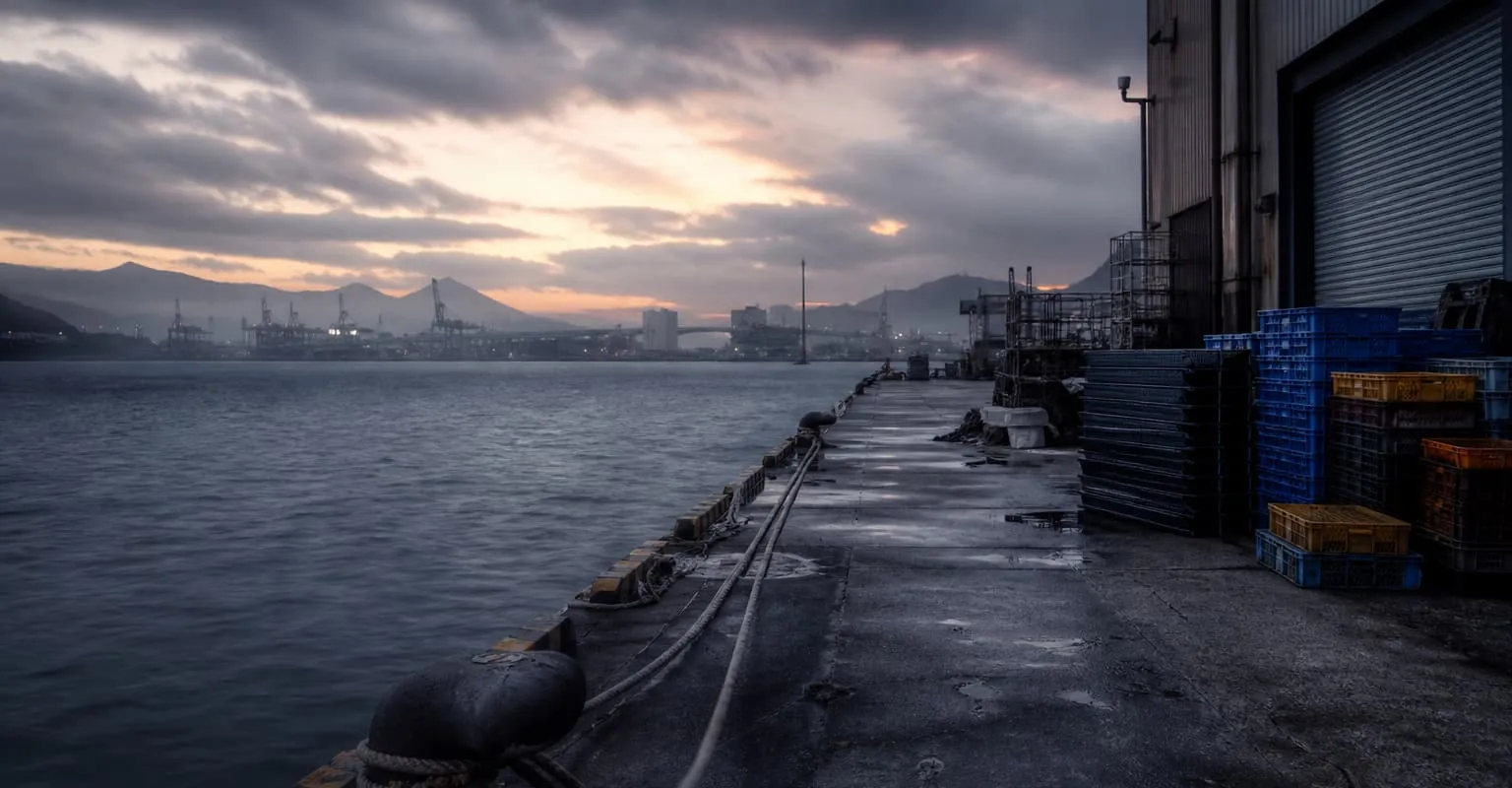
Korea society brief: Busan flagged as fishing trafficking stopover
Hankyoreh documents the first seafarer trafficking-victim designation under Korea’s 2023 law — and why Busan port logistics now need a different watch.
Source: Hankyoreh English
What happened
According to The Hankyoreh, an Indonesian deckhand using the pseudonym Fajar, 32, was officially designated a victim of human trafficking after escaping confinement at a motel in Busan’s Sasang District — the first seafarer, domestic or foreign, to receive that status since Korea’s trafficking-prevention law took effect in 2023. The Gender Equality and Family Ministry visited Busan on July 27 to review the police probe and his hospital condition; the escape attempt itself was on July 21.
Hankyoreh reports that a second man who followed the same escape route died after falling from the building. Five people were charged with forced confinement, including figures tied to a shipping brokerage, a security firm, and the motel. Over three years under the law, authorities have confirmed 91 trafficking victims (75 foreign, 16 domestic), with counts rising from 3 in year one to 42 last year and 34 so far this year as of the article’s Wednesday cutoff. Labor exploitation accounts for 64 of those 91 (70%).
The breakdown
The operational story is not only one motel padlock. Hankyoreh maps a subcontract chain: Indonesian recruiters → Chinese deep-sea tuna boats (Runda 3 / Runda 5, same shipowner) → a Korean shipping brokerage → a security firm that handled transport and lodging. Passports were confiscated before the rooms were locked; the group entered Korea on B-2 tourist transit visas via Gimhae after a Vietnam layover. Fajar’s contract listed US$500 monthly pay with a US$790 placement fee deducted in installments, family remittances held back, and an escape penalty near US$6,700 (120 million rupiah) plus social-media shame clauses.
Eighteen remaining sailors returned to the ships and left Busan on July 22. The ministry moved to designate Fajar quickly from the police investigation rather than waiting on a slower adjudication committee. Seasonal workers appear heavily in the foreign-victim tally (37 of 75).
Why it matters outside Korea
Anyone who crews through Busan, staffs a Korea-touching fisheries supply chain, or funds NGO/shipping compliance work should treat Busan as a documented embarkation/disembarkation chokepoint for abuse that starts overseas and gets enforced on Korean soil. Hankyoreh’s frame — Chinese vessels outsourcing confinement risk to a Korean port city — is the behavior update for buyers, flag-state watchers, and embassies that still treat Busan only as a logistics hub.
What travelers and expats should watch
- Do treat “crew motel near the port” stories as a trafficking-risk signal, not local color — especially when passports are held and doors lock from outside.
- Don’t assume B-2 transit stamps or “agency handled everything” means the arrangement is lawful; Hankyoreh’s case turns on confinement and labor exploitation under the 2023 statute.
- Expect ministry victim-protection steps (medical and return-home support are named for Fajar) to move faster than civil contract fights in Indonesia over desertion penalties.
- Re-check vessel names and port-state inspection posture if your company or NGO tracks deep-sea tuna fleets that call Busan — the piece cites prior Environmental Justice Foundation reporting on the same ship names.
Context
Read this as port-city trafficking infrastructure exposed by a victim designation, not as a one-off motel crime blotter. Korelay’s frame: the keep is that Korea’s 2023 law finally tagged a seafarer — and the useful overseas question is whether Busan stays a soft landing for boats that confine crews onshore.
Editor note: Allegations and charges stay attributed to Hankyoreh’s reporting and the ongoing police case; this brief does not adjudicate guilt. Graphic escape details are kept minimal on purpose.
Source
Primary: Hankyoreh English — Busan is becoming a stopover for human trafficking by fishing operations (posted Aug. 6, 2026). Paraphrased; names of private parties follow the source’s pseudonym and charged-role framing.