Korea society brief: Lee vows stalking response won't slip during investigation–prosecution split
On the four-year mark of the Sin-dang Station stalking murder, President Lee Jae-myung pledged on X that crimes against women and youth will stay a priority even as Korea separates police investigation from prosecution.
Source: Seoul Shinmun · 정치
What happened
According to Seoul Shinmun, President Lee Jae-myung said on Sept. 14 that even as Korea moves to separate police investigation powers from prosecution powers, the government will keep a close watch so responses to crimes targeting women and youth do not weaken. Lee posted the message on X on the four-year anniversary of the Sin-dang Station stalking murder.
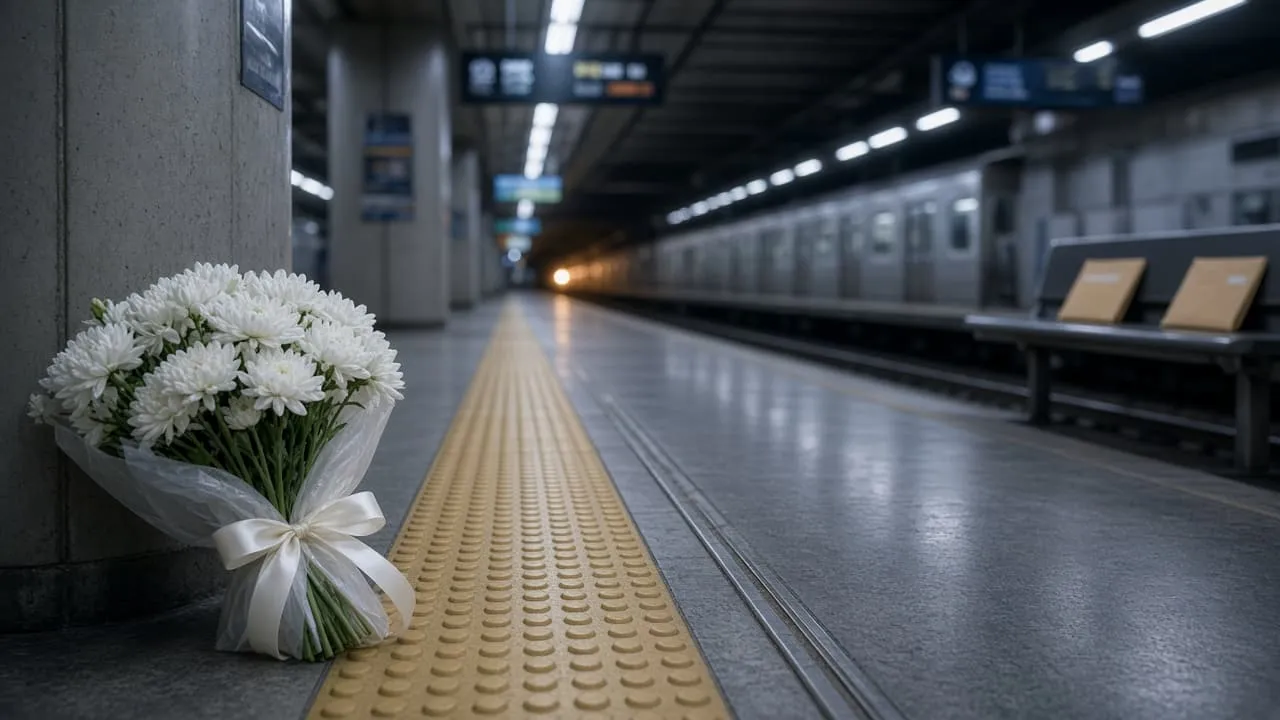
Lee said he still remembers a message on the memorial wall at Sin-dang Station Exit 10 apologizing for failing to protect the victim. He offered condolences to the deceased and to families and survivors who, he said, still live in fear.
The breakdown
Seoul Shinmun reports that Lee argued stalking law was revised after the Sin-dang case, yet many victims still feel forced to leave home or work and hide. He said that when violence repeats and warning signs appear, the state must act first. Lee rejected using incomplete institutions as an excuse to delay responsibility, insisting existing rules must function properly in the field before blaming the system itself.
Lee also said victims should not be the ones who disappear — perpetrators’ behavior must be restricted. On policy, he pledged to push without delay the government’s July plan to strengthen responses to stalking and dating violence, and to hurry any further institutional fixes needed to prevent a repeat of the same tragedy.
Even after police authority is expanded, he said, related crimes will be handled carefully — and the state would build a society where people do not fear stalking at work, on commutes, or in daily life.
Why it matters outside Korea
Korea is mid-transition on who investigates versus who indicts — a shift foreign employers and legal counsel already track. Lee’s message signals that gender-based street and relationship violence is a test of whether that transition erodes front-line protection.
Institutional redesign can create gaps unless ministries coordinate. Lee’s vow is an early commitment that women’s and youth safety will not be traded for administrative speed — relevant to human-rights reporting and expat workplace policies tied to local enforcement.
What travelers and expats should watch
- Track the July stalking and dating-violence package, not only the X post. Watch whether reporting channels, restraining-order enforcement, and follow-up improve after rollout — not whether rhetoric repeats on anniversaries.
- Do not assume prosecution reform weakens stalking cases. Lee linked the investigation–prosecution split to continued scrutiny of women- and youth-targeted crime. If you file a complaint, note which agency intake you use during the transition and whether police–prosecutor handoffs stay documented.
- Sin-dang Station Exit 10 is a real memorial site. Future anniversaries may draw media attention; plan commutes on dates tied to the case if you use that line.
Context
Read this as a presidential reassurance that gender-violence enforcement stays on the checklist during prosecution reform, not as proof that victims no longer relocate or that every stalking report is now handled flawlessly. Seoul Shinmun’s account is a single social post plus policy pledges — useful for direction, not for closing the gap Lee himself described between revised law and lived safety.
Source
Seoul Shinmun: 李대통령 “수사·기소권 분리해도 여성·청소년 대상 범죄 대응 흔들리지 않을 것” — Korean original; paraphrased for briefing; read the original for full detail.