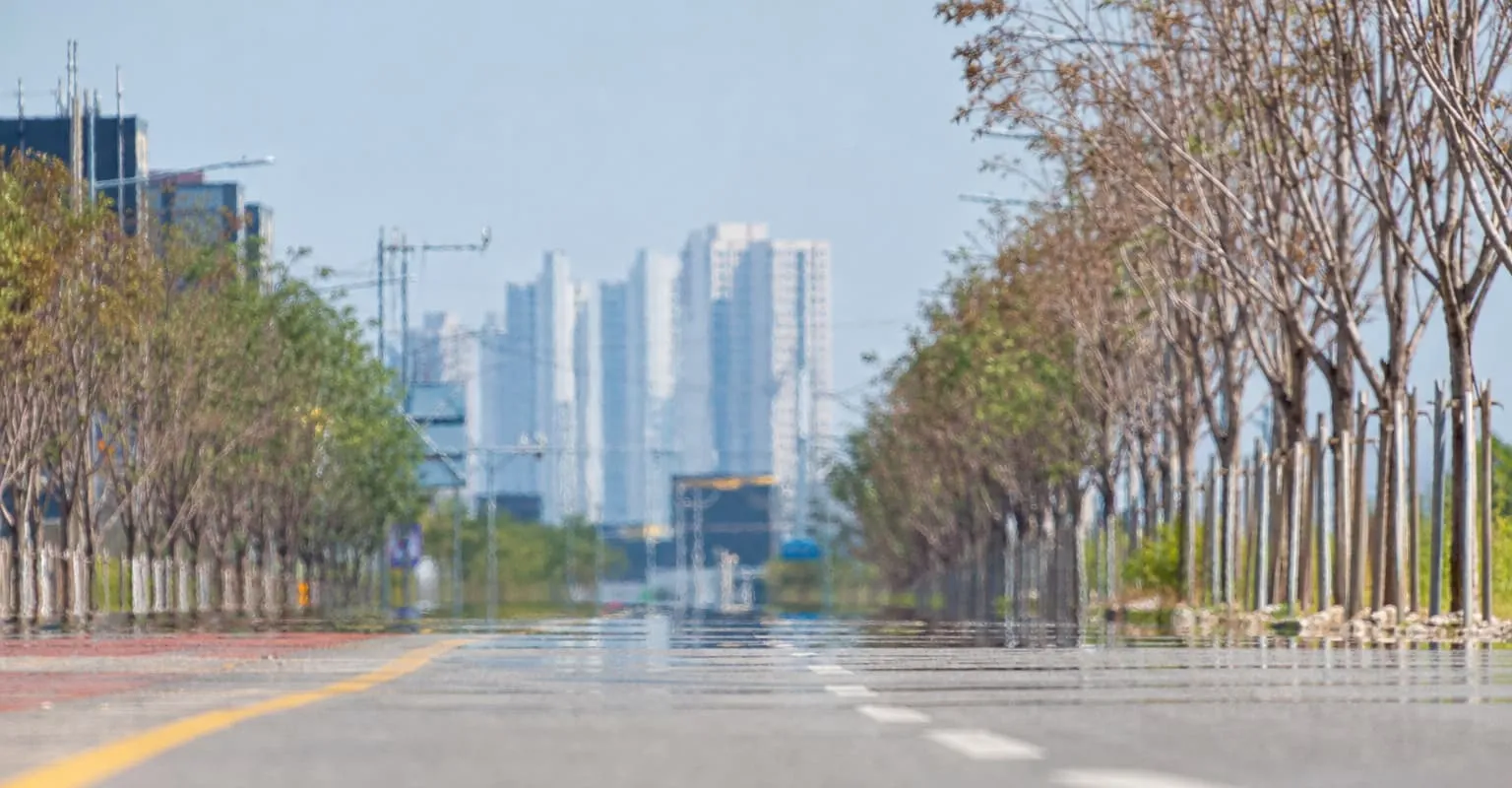
Korea society brief: KMA data shows longer, hotter Korean summers
Heat waves now start 10–30 days earlier and tropical nights nearly triple versus the 1970s baseline — what that means for summer travel plans.
Source: The Korea Times
What happened
According to The Korea Times, the Korea Meteorological Administration released a Friday analysis showing South Korea’s summers are longer and more intense: heat waves arrive earlier, last longer, and tropical nights are more common. The study compared 2016–2025 with 1973–1982 and found heat waves now begin 10 to 30 days earlier nationwide and end about 10 days later than five decades ago.
The breakdown
A heat wave day is a high of at least 33 C; a tropical night stays above 25 C overnight.
In Gangneung and parts of Yeongnam — Daegu, Hapcheon, Miryang, Yeongdeok, Pohang — heat-wave onset has shifted to early June over the past decade, more than 10 days earlier than the mid- to late-June starts of 1973–1982. Inland central cities including Seoul, Icheon, Chuncheon, and Cheongju now typically see June starts instead of early to mid-July. In Seoul, average onset moved from July 19 to June 24.
Heat waves over the past decade have typically persisted until late August, about 10 days later than the mid-August endings of the older baseline. Tropical nights nationwide now usually begin in early to mid-July — 5 to 15 days earlier — and run into early September instead of ending in late August; southern coasts and Jeju have typically kept tropical nights into early September over the past decade.
Since 1973, heat-wave days have risen by an average 1.8 days per decade and tropical nights by 1.6 days per decade. Average heat-wave season length more than doubled from 8.3 days (1973–1982) to 18.3 days in the past decade. Average tropical nights nearly tripled from 4.1 to 12.2 days.
KMA ties the pattern largely to the North Pacific High expanding toward the peninsula, pulling hot humid air and clear skies that intensify solar heating. Over the past decade the system has expanded northwestward from June and settled south of the peninsula. Warmer surrounding seas also limit nighttime cooling. The Times added that the ongoing monsoon is expected to end early next week, followed by an intense heat wave.
Why it matters outside Korea
Summer Korea trips are planned on older mental calendars — “late July peak, August festival, September relief.” The KMA numbers say that calendar is obsolete: earlier onsets, longer seasons, and nearly triple tropical nights change packing, hotel choice, outdoor itineraries, and health risk for visitors who treat humidity as a vibe rather than a medical constraint.
What travelers and expats should watch
- Booking windows: treat mid-June through early September as heat-risk season, not just “late July.”
- Seoul specifically: onset shifting from July 19 to June 24 means June city breaks need AC confirmation and midday indoor plans.
- Jeju and southern coasts: plan for tropical nights into early September — night walks are not automatic relief.
- Near-term ops: if monsoon ends early next week as flagged, expect the following heat spike; hydrate, cut midday hiking, and know pharmacy locations for electrolyte products.
- Work visas / outdoor jobs: construction, delivery, and camp staff should assume longer advisory seasons than textbooks imply.
Context
KBS World’s English desk also carried the tropical-nights / ultra-hot-days theme in its Friday list, aligning with the Times/KMA package. Korelay’s framing: this is a planning brief, not a doom essay. The actionable objects are the 33 C / 25 C definitions, the Seoul onset shift, the doubled heat-wave season (8.3 → 18.3 days), and the near-term monsoon-to-heat handoff. Pack for that, not for a 1990s postcard summer.
Korelay take
KBS World’s English desk also carried the tropical-nights / ultra-hot-days theme in its Friday list, aligning with the Times/KMA package. Korelay’s framing: this is a planning brief, not a doom essay. The actionable objects are the 33 C / 25 C definitions, the Seoul onset shift, the doubled heat-wave season (8.3 → 18.3 days), and the near-term monsoon-to-heat handoff. Pack for that, not for a 1990s postcard summer.
Editor note: Desk reporting supplies the timeline; Korelay adds the overseas behavior layer (what to change, what not to assume, what to re-check). If you only need the wire facts, open the primary link in Source.
Source
Korea Times: Korea’s summers are getting longer and hotter, data shows — paraphrased for briefing; read the original for full detail.