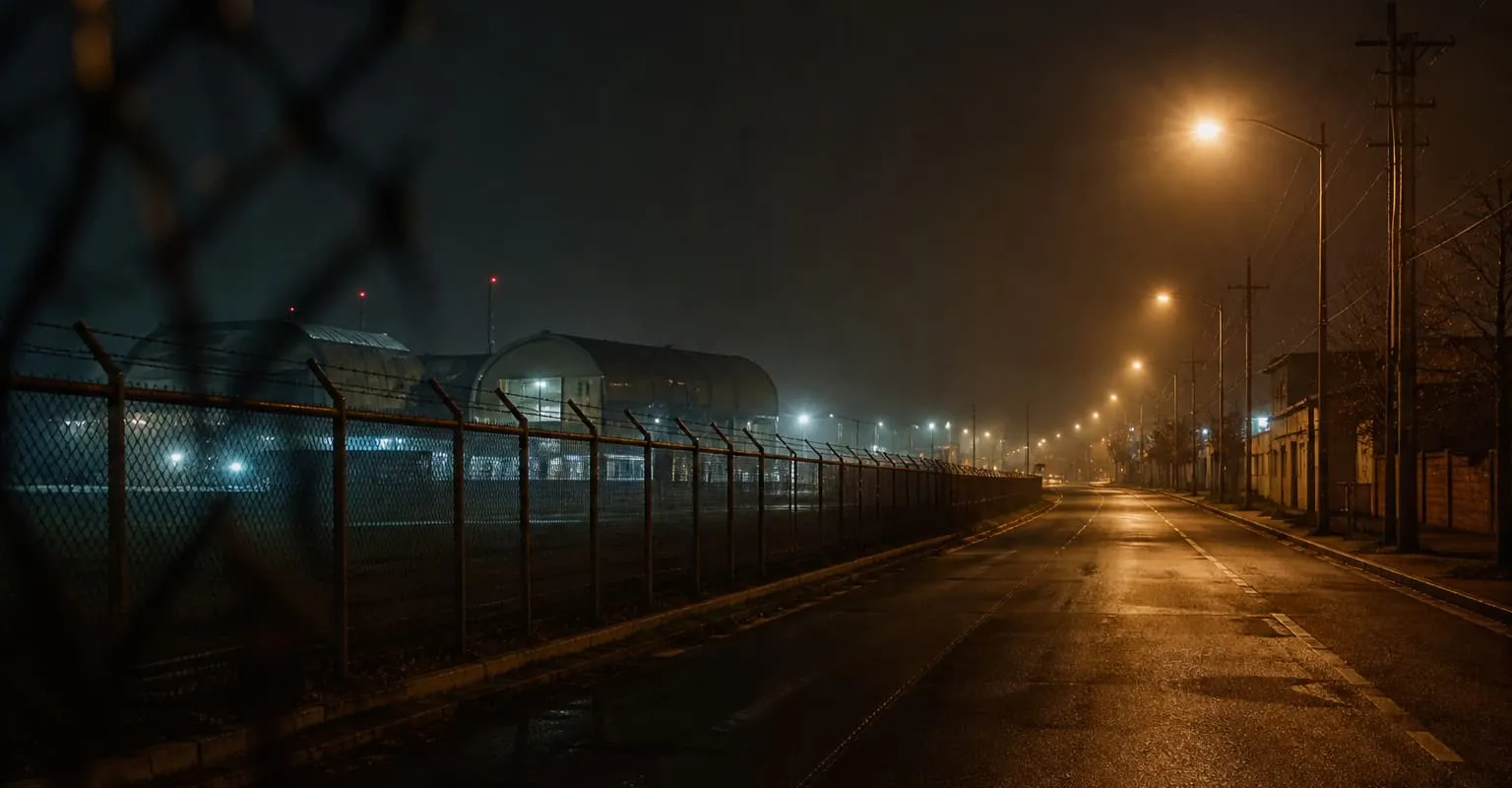
Korea society brief: Pyeongtaek's evacuation hotline to Osan went unanswered
Pyeongtaek City called the 51st Fighter Wing three times during a July 28 evacuation alert and got no answer — what the mix-up means for anyone living near a US base in Korea.
Source: Yonhap News Agency
What happened
On July 28, Pyeongtaek City issued an evacuation order for residents near Osan Air Base after receiving firefighting advice that referenced a possible white phosphorus release. As the alert went out, city officials tried three times to reach the 51st Fighter Wing’s hotline for details on the alleged hazard — and got no answer, according to Yonhap. The evacuation was lifted roughly 30 minutes later once an on-site assessment found no immediate danger. The fighter wing later said, per Yonhap, that follow-up testing found the residue was non-hazardous surface corrosion, not white phosphorus.
The breakdown
Yonhap’s timeline shows the gap was narrow but real: the city’s first successful call to the base connected at 5:51 p.m., about 20 minutes before the evacuation order was lifted, so residents spent most of the alert window without a direct line to the installation at its center. Col. Ryan Ley, the 51st Fighter Wing commander, later spoke with the Pyeongtaek mayor to walk through what happened, and the wing has pledged to strengthen information-sharing with the city going forward. Separately, Yonhap — citing informed sources — reports that an interpreter for U.S. military police who called local police about the possible leak is under investigation over whether that response was appropriate. That is a distinct, attributed side thread, not proof that the hotline failure and the interpreter matter share one cause.
Why it matters outside Korea
Pyeongtaek sits about 60 kilometers south of Seoul and hosts one of the largest concentrations of American military personnel, contractors, and their families anywhere in Korea, alongside a sizable non-Korean civilian population. When a municipal government cannot reach the base that triggered an evacuation order, the practical risk is not just diplomatic embarrassment — it is that residents, English-speaking or not, get incomplete or delayed information during exactly the kind of alert where minutes matter. For foreign residents near any USFK installation, this is a live example of where the seams in bilateral emergency coordination actually sit.
What travelers and expats should watch
- Don’t wait on a single channel. If you live near Osan, Camp Humphreys, or another USFK site, register for both city (Pyeongtaek city alerts, Safety Korea app) and base-level (AFN, installation Facebook/app) emergency notifications — this incident shows one line can go quiet exactly when it matters.
- Expect the first alert to be more cautious than the final finding. The initial white phosphorus reference triggered evacuation; the later determination was non-hazardous corrosion. Follow evacuation instructions immediately, but treat the first message as provisional until an official follow-up lands.
- Watch for the promised fix, not just the apology. The wing says it will strengthen information-sharing after Col. Ley’s call with the mayor — a concrete watch is whether Pyeongtaek publishes a faster, verified hotline or joint protocol in the coming weeks.
- Treat the interpreter thread as separate. Yonhap attributes an ongoing review of an MP interpreter’s call to local police; do not fold that into the unanswered-hotline story, and wait for named findings before changing how you handle translated MP statements.
Context
Read this as a coordination and hotline failure between a Korean city and a U.S. installation, not confirmation of an actual chemical hazard. The alleged white phosphorus never materialized — the wing later said the residue was ordinary corrosion — so the story is not “a dangerous substance leaked near Osan,” it is “the two sides could not reach each other fast enough while they worked that out.” For anyone weighing how local-base coordination would hold up in a real emergency, the about-20 unanswered minutes before the first successful call are the number to remember, not the phosphorus scare. The interpreter matter remains under investigation and is reported here only as Yonhap-attributed, not established fact.
Source
Yonhap: Pyeongtaek city’s calls to US air base went unanswered during evacuation order — facts paraphrased for briefing; read the original for full detail and attribution.