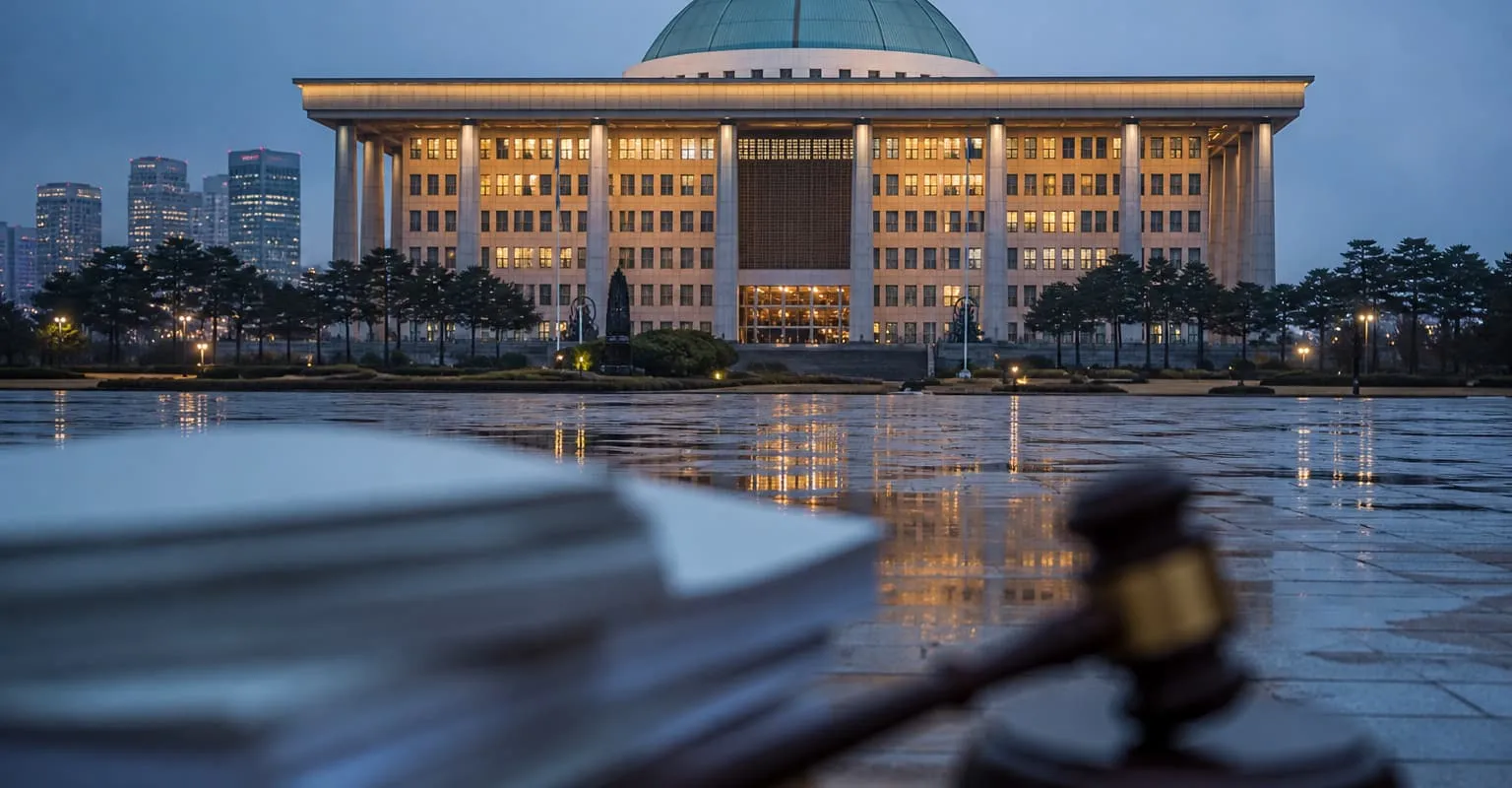
Korea society brief: Special prosecutor indicts four PPP lawmakers over Yoon arrest-warrant standoff
The comprehensive special prosecutor team charged Na Kyung-won and three colleagues without detention for allegedly blocking CIO warrant execution at Hannam-dong on Jan. 15, 2025 — after an earlier insurrection probe dropped the case.
Source: Ddanzi
What happened
On Aug. 14, 2026, the comprehensive special prosecutor team led by Kwon Chang-young indicted four People Power Party (PPP) lawmakers — Na Kyung-won, Kim Gi-hyeon, Yoon Sang-hyeon, and Kwon Young-jin — without detention on charges of special obstruction of public duty. The allegation centers on Jan. 15, 2025, immediately after the insurrection crisis, when prosecutors say the four used collective presence to block Corruption Investigation Office for High-ranking Officials (CIO) prosecutors and investigators from executing an arrest warrant for then-President Yoon Suk-yeol outside the Hannam-dong presidential residence.
The breakdown
Ddanzi’s National Assembly watcher column frames the move as a reversal of an earlier probe and a high-profile political collision.
- Evidence cited: The special prosecutor team said it relied on statements from CIO prosecutors who took part in the warrant execution, contemporaneous video and audio recordings, and legal analysis of similar cases and court rulings.
- No custody: All four were charged without arrest; per Ddanzi’s account, none answered summons requests, so all four were indicted without ever being questioned.
- Earlier dismissal: Jo Eun-seok’s insurrection special prosecutor team had dropped the matter after video review concluded the lawmakers did not take confirmed physical action against police. The comprehensive team re-investigated and chose indictment anyway.
- Lawmakers’ line: At an Aug. 1 National Assembly press conference, the four called the case political expression recast as a serious crime and described the probe as cover for a regime crisis and political oppression. They have denied the charges throughout.
- Party reactions: PPP floor leader Jeong Jeom-sik attacked the indictment on social media as a “show charge” flattering a government and ruling party that extended the probe 90 days beyond its base term. Democratic Party of Korea (DPK) spokesperson Kim Han-na countered in a written briefing that blocking lawful execution to shield an insurrection mastermind was “truly turning things upside down” and asked whether lawmakers hold privilege above court warrants.
- Why it feels big: Ddanzi notes each lawmaker has already starred in separate headline controversies, so a single joint indictment reads like a political blockbuster stack.
Why it matters outside Korea
Foreign observers often treat Korea’s post-insurrection legal cycle as one continuous “special prosecutor” story. This case shows two prosecutors, two conclusions: an insurrection-team dismissal on non-contact video, then a comprehensive-team indictment on collective obstruction theory. That split matters for anyone modeling whether political standoffs become criminal charges — contested procedure, not consensus.
The indictment also landed after a 90-day extension of the comprehensive probe, making calendar politics part of the fight before trial merits are settled.
What travelers and expats should watch
- Hannam-dong and Assembly week: The charged scene is the Yongsan/Hannam presidential-residence zone, not a tourist district, but protest convoys and motorcades still ripple traffic when warrant or trial dates hit the news cycle — check Korean alerts before cross-town meetings on heavy court days.
- “Special prosecutor” label soup: English headlines may blur insurrection, comprehensive, and CIO teams; this indictment is from the comprehensive team and revisits a case the insurrection team already declined — useful when colleagues argue past each other using different dockets.
- Trial without prior questioning: All four reportedly refused summons; expats covering Korean courts should expect indictment-first framing and dueling “political expression vs. warrant supremacy” narratives in opening sessions rather than settled findings.
Context
Read this as a renewed obstruction indictment after an earlier special-prosecutor declination, not as a finished conviction or a neutral police blotter. Ddanzi’s lens is partisan Assembly commentary: the non-wire insight is procedural reversal plus an extended probe clock feeding both sides’ “show trial” and “privilege above warrants” attacks before evidence is tested in court.
Source
Ddanzi: National Assembly watcher 167 — comprehensive special prosecutor indicts Na, Kim, Yoon, and Kwon over Yoon arrest-warrant obstruction (Aug. 16, 2026) — Korean original; political column by the Ddanzi desk; paraphrased for briefing; read the original for full quotations and context.