Seoul first 48 hours: a calm arrival plan
How to land, orient, eat well, and sleep without treating day one like a marathon through ten districts.
Source: VISITKOREA
What this is
This is a practical first-48-hours frame for Seoul — not a “see everything” checklist. The goal is to recover from the flight, confirm where you are sleeping, eat one memorable meal, and learn how the city moves before you commit to palace lines, nightlife districts, or day trips.
Seoul rewards people who treat arrival day as orientation, not performance tourism.
How it works in Korea
Most international visitors land at Incheon International Airport (ICN) or, less often, Gimpo (GMP) for regional flights. From ICN, the AREX airport rail and airport buses connect to central Seoul; taxis and ride apps are available but cost more and can stall in peak traffic.
Neighborhood logic matters more than landmark counts. Many travelers base in Jongno (historic core), Myeongdong (central shopping), Hongdae (youth/nightlife), or Gangnam (business/shopping). Each has different walking radius, late-night food, and subway lines — pick one anchor, not three.
Meals run late by Western habit. Convenience stores (cu / GS25 / 7-Eleven style) are genuinely useful on night one for water, snacks, and phone top-ups. Sit-down restaurants often open past 9 p.m.; many close one day a week.
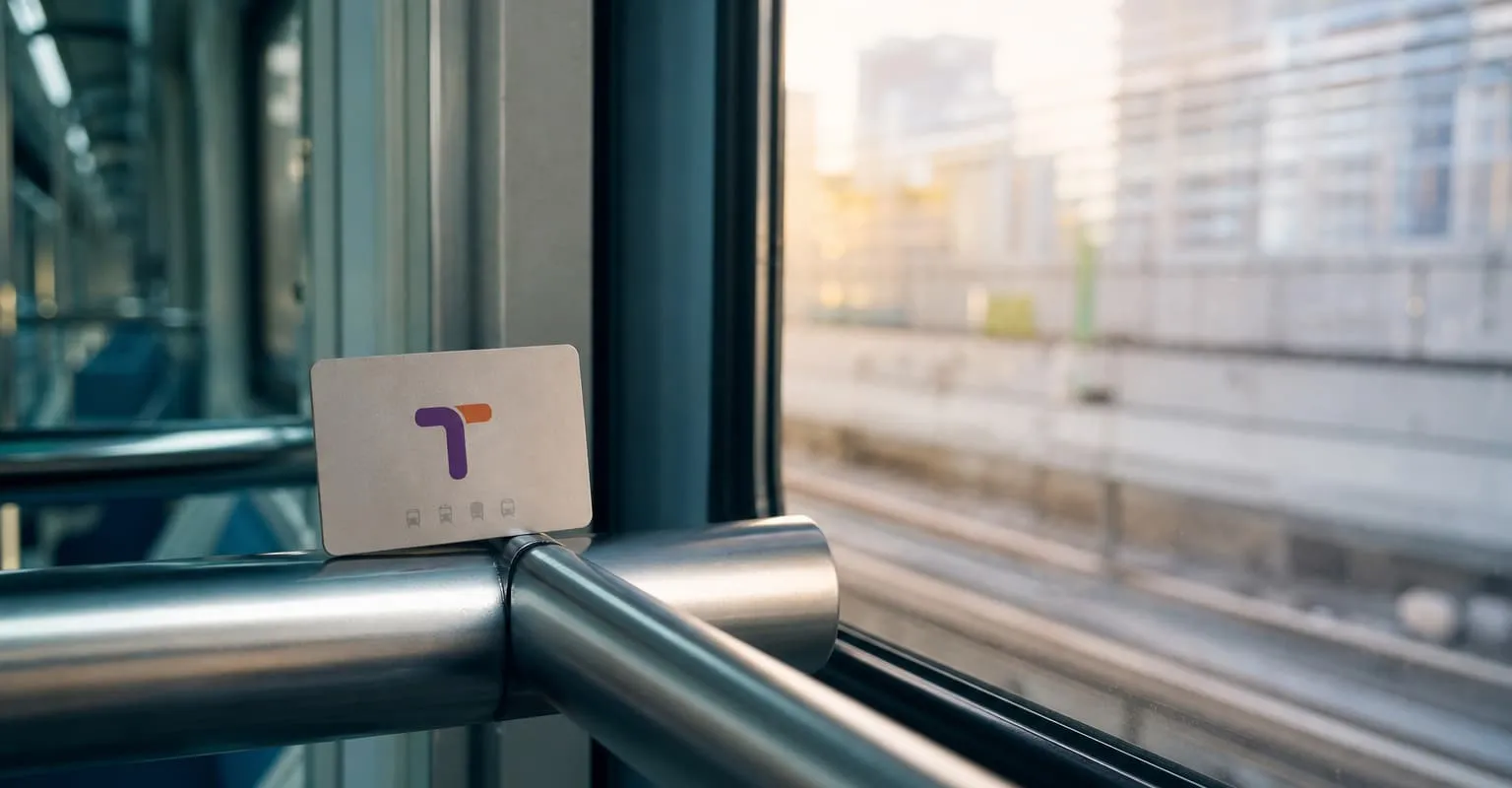
Cash still appears in small shops and some market stalls, but cards and mobile pay are widespread in chain cafes and major retailers. T-money (티머니) or a rechargeable transit card simplifies buses and subway taps.
Day two is for one anchor sight near your lodging — a palace gate, a market breakfast, or a short ridge if weather allows — not a cross-city trophy hunt. Save multi-district days until you have successfully tapped out of your home station twice without checking the map.
Why it matters outside Korea
Seoul is dense, vertical, and fast. Visitors who sprint across the Han River on day one often burn out before they understand the subway map. A calm 48-hour plan reduces decision fatigue and prevents the classic mistake: expensive taxi loops because you did not learn which line your hotel sits on.
Overseas readers also underestimate how much time immigration, baggage, and airport-to-city transfer consume. Building buffer on hour zero protects the rest of the trip.
What travelers and expats should watch
- Do confirm your lodging address in Korean (한글) in your phone notes and show it to taxi drivers; Romanization alone often fails.
- Do buy or load a transit card at the airport or first subway station before you need it at a rush-hour gate.
- Don’t stack Gyeongbok Palace, Bukchon, N Seoul Tower, and Hongdae into arrival day — spread them after you know your home line.
- Expect late dining: “closed at 8” rules from other countries do not apply to many Korean neighborhoods.
Context
Read this as orientation beats coverage, not “Seoul is only palaces and street food.” The city is a network of villages linked by subway. Your first 48 hours should teach you one village and one line — everything else becomes easier on day three.
Korelay take
This is a first-party living guide, not a news wire rewrite. Use it to plan behavior (what to buy, book, say, or avoid) before you land — then confirm prices and rules on the linked official page, because retail and admin details move.
Source
General arrival guidance aligned with VISITKOREA transport and itinerary framing. Paraphrased for briefing; check VisitKorea for current event listings and official travel notices.