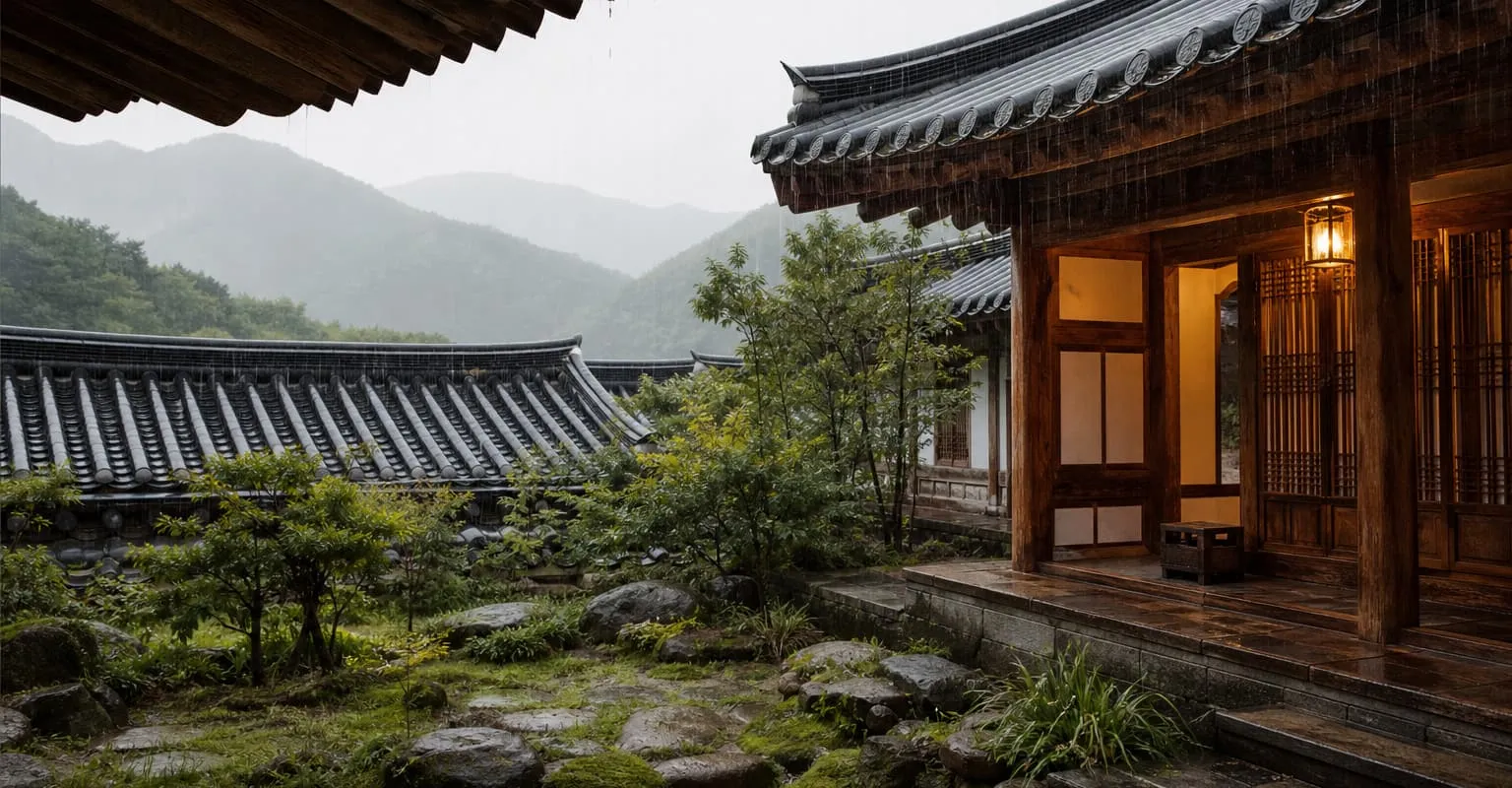
Temple stay in Korea: first-timer briefing
What a Korean temple stay program involves, how booking works, and what guests should prepare for — not a monastery review.
Source: VISITKOREA
What this is
Temple stay (템플스테이) is Korea’s structured visitor program for staying at participating Buddhist temples — usually one or two nights of lodging, meals, and guided activities. It is cultural immersion with rules, not a boutique hotel with incense. This brief prepares first-timers for the rhythm.
How it works in Korea
Programs run through temples that opt into standardized offerings — often marketed via the national temple-stay portal linked from tourism sites. Typical elements include:
- Orientation on temple layout, silence zones, and gendered sleeping quarters where applicable.
- Baru (바루) communal meal etiquette — vegetarian temple food, no waste, orderly serving lines.
- Yebul (예불) ceremonial chanting sessions you observe or join quietly.
- 108 bows or meditation blocks on some itineraries — physical and unfamiliar for first-timers.
- Early wake-up — dawn schedules are common; alarm is often a wooden clapper (moktak, 목탁).
Lodging is communal floor sleeping in heated ondol-style rooms with assigned mats, blankets, and cubby storage — not private ensuite hotel rooms. Bathrooms are shared; hot water hours may be posted.
Language support varies: major temples near Seoul and tourist hubs offer English-friendly weekends; rural temples may be Korean-only with generous nonverbal guidance.
Booking usually requires advance reservation online, passport name match, and adherence to cancellation windows. Walk-ins are rare for popular weekends.
Some programs offer one-day experiences (no overnight) for travelers who want ceremony taste without 5 a.m. wake-up. Read the itinerary code carefully — experience vs. stay vs. meditation retreat carry different intensity levels and age rules.
Temple kitchens avoid garlic and onion in strict vegetarian meals; if you need protein exceptions for health reasons, disclose at booking — do not surprise the kitchen at serving time.
Why it matters outside Korea
Western “spiritual retreat” marketing promises spa silence and optional participation. Korean temple stays are schedule-driven — miss the meal line and you miss dinner. Visitors who expect hotel service feel punished; those who read the rules feel rewarded.
Temple stays also sit outside the bar-and-makeup nightlife loop — good reset for travelers who overpacked social evenings.
What travelers and expats should watch
- Do pack modest, comfortable layers — shoulders and knees covered for ceremonies; easy slip-on shoes for constant shoe removal.
- Do read the temple’s phone and camera rules — some halls ban photos entirely.
- Don’t treat temple food like a tasting menu to critique loudly — dietary restrictions should be flagged at booking, not at the serving line.
- Expect cold-floor bathroom walks at dawn and quiet hours after evening ceremony — not the place for Bluetooth speakers.
Context
Read temple stay as participatory museum plus monastic schedule, not “cheap unique Airbnb.” You are a guest in a living religious community. The point is constraint — early rise, simple food, shared space — not aesthetic photos. If you want only architecture, visit as a day-tripper; if you want the lesson, stay the night and follow the bell.
Korelay take
This is a first-party living guide, not a news wire rewrite. Use it to plan behavior (what to buy, book, say, or avoid) before you land — then confirm prices and rules on the linked official page, because retail and admin details move.
Source
Program framing from VISITKOREA — Templestay (programs typically include service, seon meditation, 108 prostrations, and communal work; bookings via the Templestay website / info center). Individual temples set schedules — confirm language, age limits, and cancellation terms on your booking page.